There are all kinds of fruit rakija; today we write about berries, and rakija made from them.
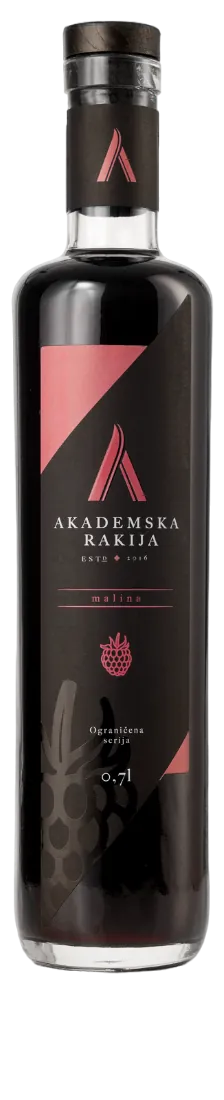
Why this article? After our piece on medovača we travelled to a big city, finished our business and sat down to lunch with friends who are not in the rakija trade. We ordered rakija and tasted it, as we usually do. Their reaction after the first glass, that this raspberry rakija was of top quality, intrigued us. We asked to see the bottle, read it, and had plenty to look at.
That is what made us write this: we explained it all to our friends, and after the “lesson” they told us we should say a word or two more about it. First, to be clear: we do not want to run anyone down. Everyone works in their own way. We want to help people learn what TRUE RAKIJA is, and what is ethyl alcohol with water and flavouring, which can be pleasant and easy to drink, but is not rakija.
Liqueurs, wines and rakijas from berries
Fruit-based drinks include fruit rakijas, fruit wines and fruit liqueurs. Fruit rakijas, such as raspberry and blackberry rakija, are delicacies: elegant drinks, works of art, and not easy to make.
For a fruit rakija, the fruit is first fermented and the fermented fruit is then distilled. For a fruit wine, the prepared fruit is fermented as juice or mash and then finished as a drink. For a fruit liqueur, juice is made from the fruit, fortified with alcohol or concentrated, and used in the right proportion in the liqueur.
That is the real difference. The label may say “Raspberry” while the bottle holds apple rakija with raspberry syrup (natural or artificial), or worse, coloured industrial ethyl alcohol with a hint of raspberry flavouring. It is easy to drink, very easy, but it is not rakija: it is a raspberry liqueur. Turn the bottle round and read the declaration so that you know what you are drinking. We mean registered producers, whose products are regularly tested; we do not recommend buying from unregistered producers, because nobody checks that what the label says is really in the bottle.
How fruit rakija is made
Any fruit containing sugar, which turns into ethyl alcohol during fermentation, can be used. Among berries, raspberries and blackberries are used most often. Not every rakija coloured red is raspberry, strawberry or blackberry rakija.
Top-quality fruit rakija can only come from good fruit at full technological ripeness: the moment when the fruit holds the most sugar and varietal aroma, in harmony with its acids. That is when it is best for processing.
Our own example: the Akademska pineapple
That lunch reminded us of our Akademska pineapple rakija, which we fondly call ananasovača. We make it from 100% fruit: we use pineapple, clean it, and follow every necessary step, “by the book”, as the saying goes.
Many people who try it expect a sweet liqueur, because they are used to the “raspberry rakijas” like the one we drank at lunch. Those who are not rakija drinkers tell us it is as strong as any other rakija, such as our Zlatna šljiva, and that they expected something milder, yet even at 40% vol they find it smoother than the usual rakijas of this region.
And that is the whole point. Not everything called rakija is true rakija. To carry that name with pride, rakija must be made from 100% fruit, through the whole process, from A to Z. No shortcuts: no apple rakija with added colour and flavour, made to resemble a raspberry liqueur and called rakija.
True rakija has gentle aromas and a full taste, and it cannot smell like perfume. If you want a true, exotic rakija from tropical fruit, try Akademski Ananas.